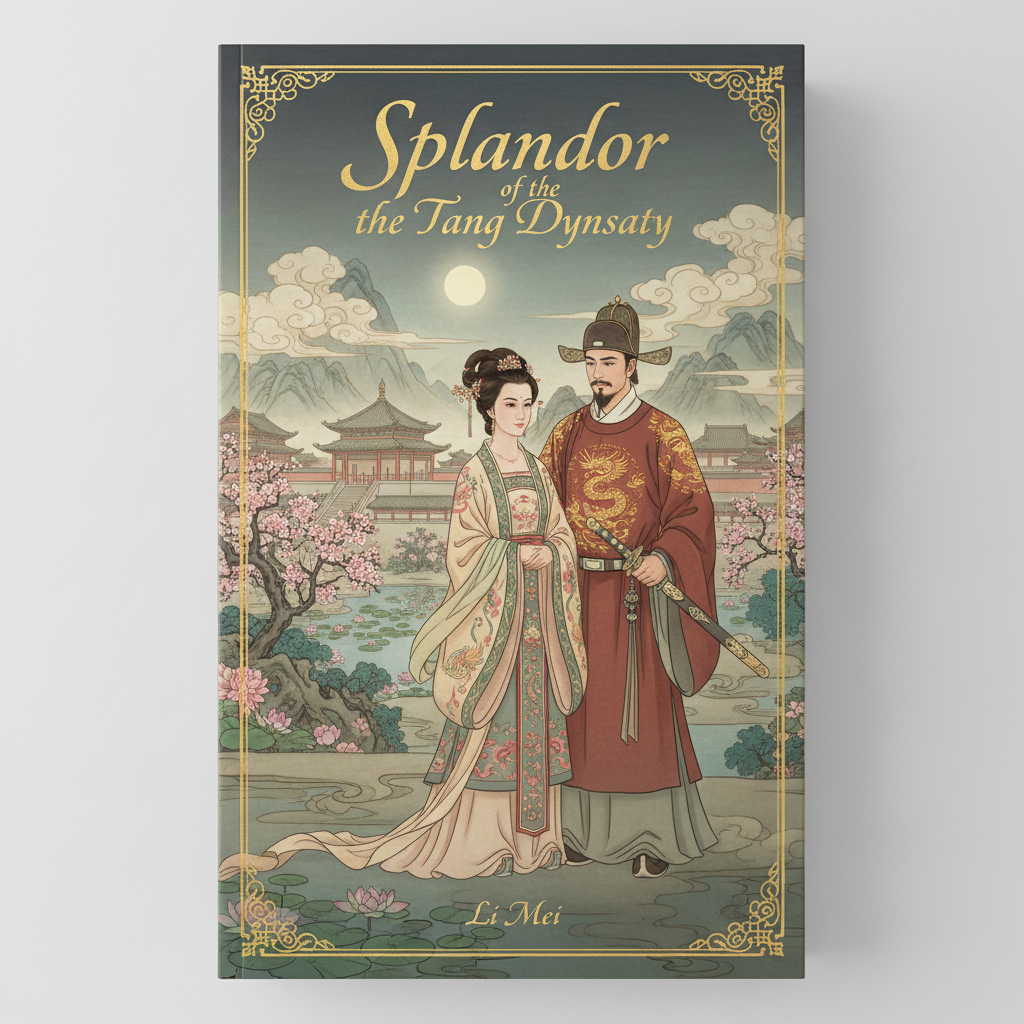
Splendor of the Tang Dynasty
Recalling the days of the glorious Kaiyuan era, even the smallest towns sheltered ten thousand households. Rice flowed like oil and millet gleamed white; granaries, both public and private, brimmed wi
At the end of last year, Yan Jiu, Jialan, and I traveled together to Xi’an, that ancient capital I had long yearned to visit. Although the grand demeanor of the High Tang dynasty has faded into history, standing beneath the Great Wild Goose Pagoda in the glow of the setting sun, I was overcome by a fleeting sense of traversing time itself; the glorious scene of scholars inscribing their names on the pagoda’s walls seemed to unfold vividly before my eyes.
When I finished "Noble Houses in Splendor," I once dreamed of wielding my pen to capture the magnificent spirit of the Tang dynasty. Yet, owing to various twists of fate, that plan was ultimately set aside. Nearly two years later, after my journey to Xi’an, I became resolute: I must finally write of the flourishing Tang.
Among writers of historical fiction, some excel at conjuring the boundless passion and sparks born of clashing heroes; some are masters of portraying the chaos and turbulence as mighty men rise in the waning days of empire; some are adept at the intricate games of officialdom; others at weaving delicate and elegant tales of sentiment. But as for me, I now find myself drawn to those many-hued figures lost to the mists of history, to the unique splendor of an era a thousand years removed, and to the lives of people whose world was so unlike our own.
What I seek to portray is not simply an age teeming with heroes. It was an epoch resplendent with literary talent, graced by the most outstanding poets and scholars in all of history; an age when illustrious officials and chancellors